HTML5 Experience
Semantic, accessible markup underneath every site I build.
Overview
How I've used HTML5
HTML5 is the part of the stack that gets the least attention but matters the most for SEO and accessibility — semantic markup is what lets search engines and screen readers actually understand a page's structure.
Across every WordPress theme, React component, and landing page I've built, the markup itself is written to be semantically correct — proper heading hierarchy, ARIA attributes where native semantics fall short, and structure that survives a screen reader pass, not just a visual design review. This matters concretely for SEO: the structured content on this site's blog and service pages, for instance, follows a clean H1→H2→H3 hierarchy specifically because Google's crawlers and AI overview systems both parse semantic structure to understand what a page is actually about.
What I can do
Specific HTML5 capabilities
- ✓Semantic markup — correct heading hierarchy, landmark elements, structure
- ✓ARIA attributes and accessibility best practices
- ✓Cross-browser compatibility testing and fixes
- ✓SEO-aware markup structure (which doubles as AI-crawler-friendly structure)
- ✓Forms, validation, and accessible interactive elements
Proof, not just claims
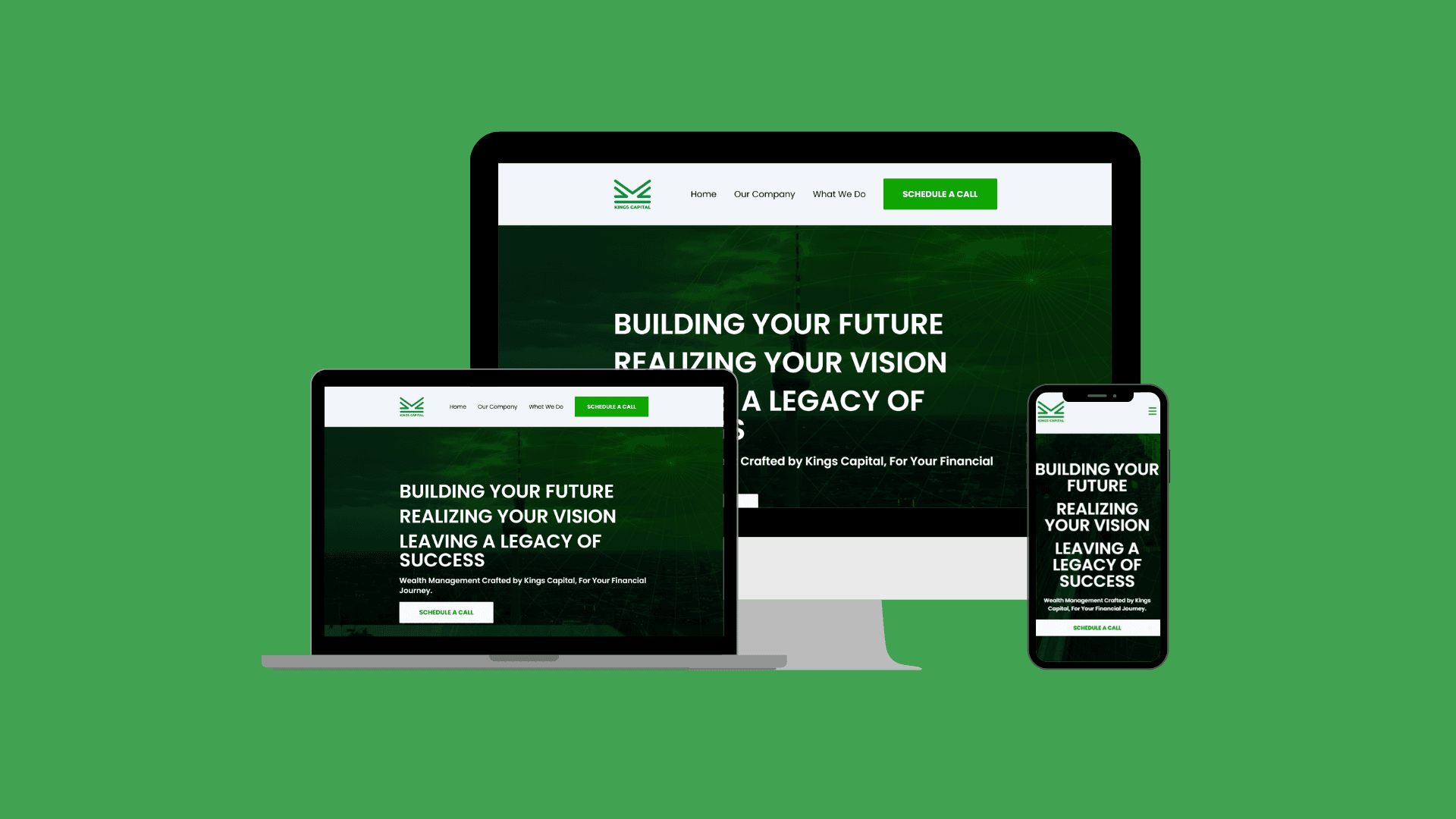
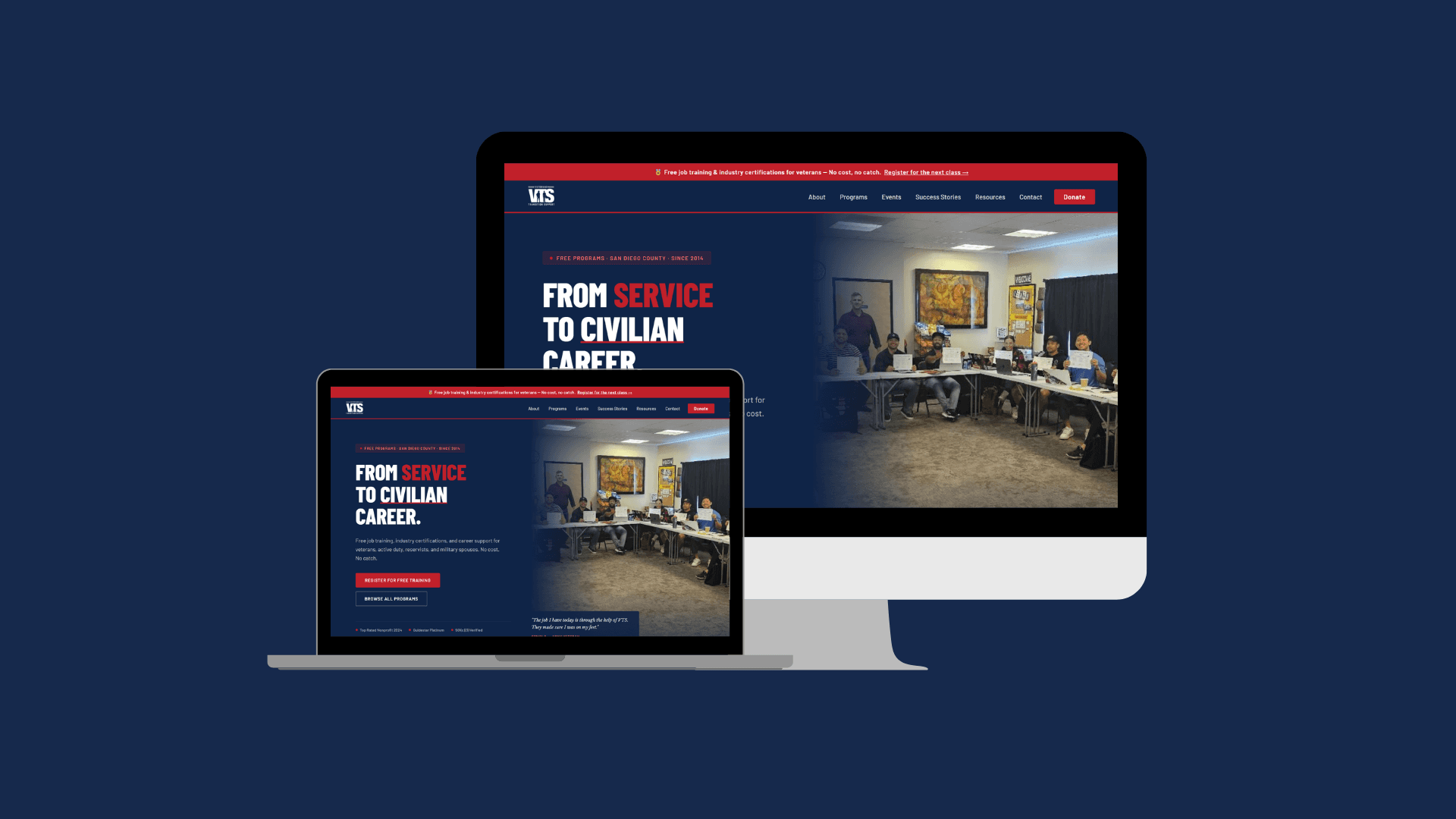
Real projects built with HTML5


Related skills